Contents:
- Preparation
- Step-by-Step
- Step 1: Buy Commercial-Grade Inflatables
- Step 2: Get Proper Liability Insurance
- Step 3: Understand Local Permitting Requirements
- Step 4: Price by Unit Size and Rental Duration
- Step 5: Build a Delivery and Setup System
- Common Mistakes to Avoid
- A Sustainability Angle
- FAQ
- How many rentals can one unit generate monthly?
- Do I need to be present during the rental period?
- What happens if a unit gets damaged during a rental?
- How many units does a new operator need to start?
- What’s the biggest overlooked expense in this business?
- Next Steps
What do a neighborhood birthday party, a school fundraiser, and a church community event all have in common? Steady, recurring demand for bounce house rentals, a business most people drive past without ever considering starting themselves.
Preparation
Start with one or two quality inflatables rather than a large fleet, since demand and reliability matter far more early on than variety.
Step-by-Step
Step 1: Buy Commercial-Grade Inflatables
Commercial bounce houses cost $1,500-$4,000 each, significantly more durable than residential-grade units sold for personal backyard use, and required for legal commercial rental in most areas.
Step 2: Get Proper Liability Insurance
General liability insurance covering inflatable rentals, given injury risk, typically runs $500-$1,200 annually, essential before your first paid rental.
Step 3: Understand Local Permitting Requirements
Some municipalities require inspection or permits for commercial inflatable rentals; check your specific city or county requirements before operating.
Step 4: Price by Unit Size and Rental Duration
Standard bounce houses typically rent for $100-$200 for a half-day, with larger combo units or water slides commanding $200-$400 depending on size and features.
Step 5: Build a Delivery and Setup System
A reliable trailer or truck, plus a repeatable setup and safety-check process, ensures consistent, safe service across every rental regardless of which unit is booked.
Common Mistakes to Avoid
New operators frequently skip weather contingency planning, losing bookings or facing safety issues during unexpected wind or rain. Others buy residential-grade units to save money upfront, risking faster wear and liability issues since they’re not rated for repeated commercial use.
A Sustainability Angle
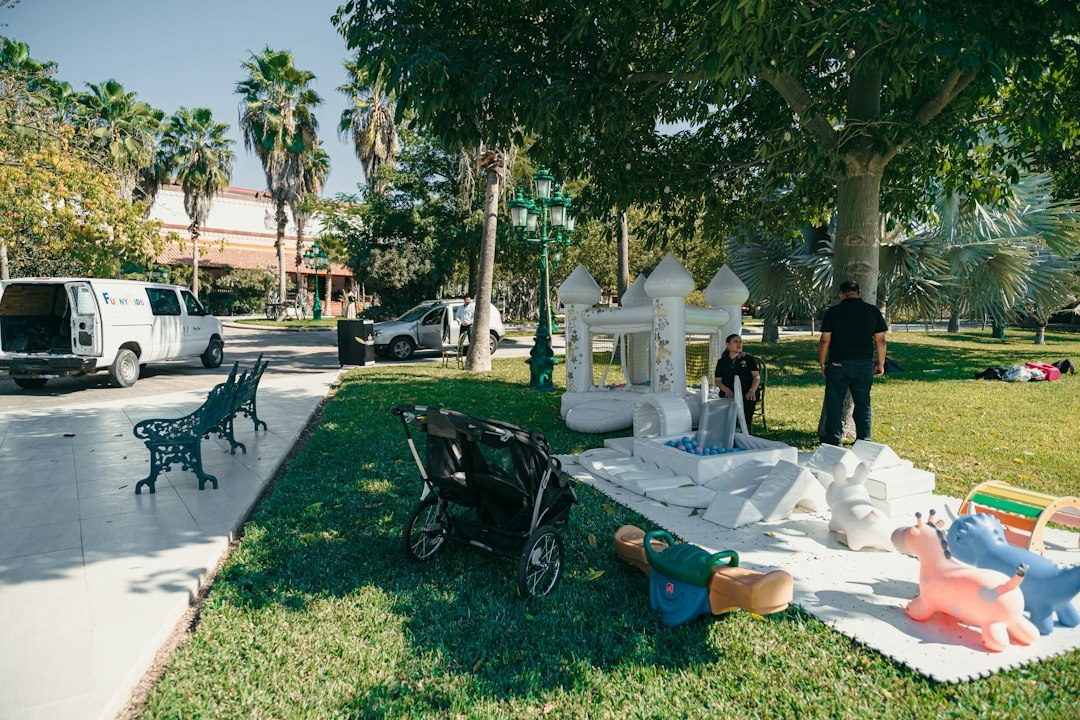
Reusable, durable commercial-grade vinyl units combined with proper storage and maintenance extend equipment lifespan significantly, reducing waste compared to cheaper units that wear out and get discarded within a season or two.
FAQ
How many rentals can one unit generate monthly?
Popular units in peak season, spring through early fall, often book 6-10 times monthly, generating meaningful recurring revenue per unit owned.
Do I need to be present during the rental period?
Most operators drop off, set up, and pick up rather than staying on-site, though some offer optional attendant service for larger events at an added fee.
What happens if a unit gets damaged during a rental?
A signed rental agreement outlining customer responsibility for damage beyond normal wear protects your equipment investment and clarifies liability upfront.
How many units does a new operator need to start?
One or two quality units are enough to start; many successful operators didn’t expand past four or five units until well into their second season of steady bookings.
What’s the biggest overlooked expense in this business?
Cleaning and sanitizing supplies between rentals, along with storage space for units when not in use, are commonly underestimated costs that add up meaningfully over a full season.
Next Steps
Start with one or two reliable units, build a repeatable safety and setup process, and expand your inventory only once consistent bookings justify the additional investment.