Contents:
- Why These Banks Specifically
- Top Banks for Small Business
- Chase Business Complete Banking
- Bluevine Business Checking
- Bank of America Business Advantage
- Novo Business Checking
- Wells Fargo Business Choice Checking
- Comparison Table
- How to Choose
- A Regional Difference
- A Sustainability Angle
- What the Pros Know
- FAQ
- Do online-only banks offer the same protections as traditional banks?
- Should a new business prioritize lending relationships when choosing a bank?
- Can I switch business banks easily later if needed?
Business banking traces back centuries to merchant guilds pooling capital and extending credit to trusted members, a far cry from today’s instant online account approvals, but the core function, safely holding and moving business money, hasn’t fundamentally changed.
Why These Banks Specifically
These selections were evaluated on fee structures, small business lending accessibility, digital banking quality, and customer service responsiveness across different business sizes and needs.
Top Banks for Small Business
1. Chase Business Complete Banking
Strong nationwide branch access and solid digital tools, though monthly fees apply unless minimum balance requirements are met.
2. Bluevine Business Checking
No monthly fees and competitive interest on balances, popular with online-first businesses that don’t need physical branch access.
3. Bank of America Business Advantage
Extensive branch network and strong integration with business credit products, suited to businesses wanting an established, full-service relationship.
4. Novo Business Checking
No monthly fees and strong integration with popular small business tools like Stripe and QuickBooks, appealing to freelancers and small e-commerce sellers.
5. Wells Fargo Business Choice Checking
Reliable nationwide access with tiered account options scaling as transaction volume grows.
Comparison Table
Chase: nationwide branches, fee waivable with balance.
Bluevine: no fees, online-only.
Bank of America: nationwide branches, strong credit integration.
Novo: no fees, strong software integrations.
Wells Fargo: nationwide branches, tiered scaling.
How to Choose
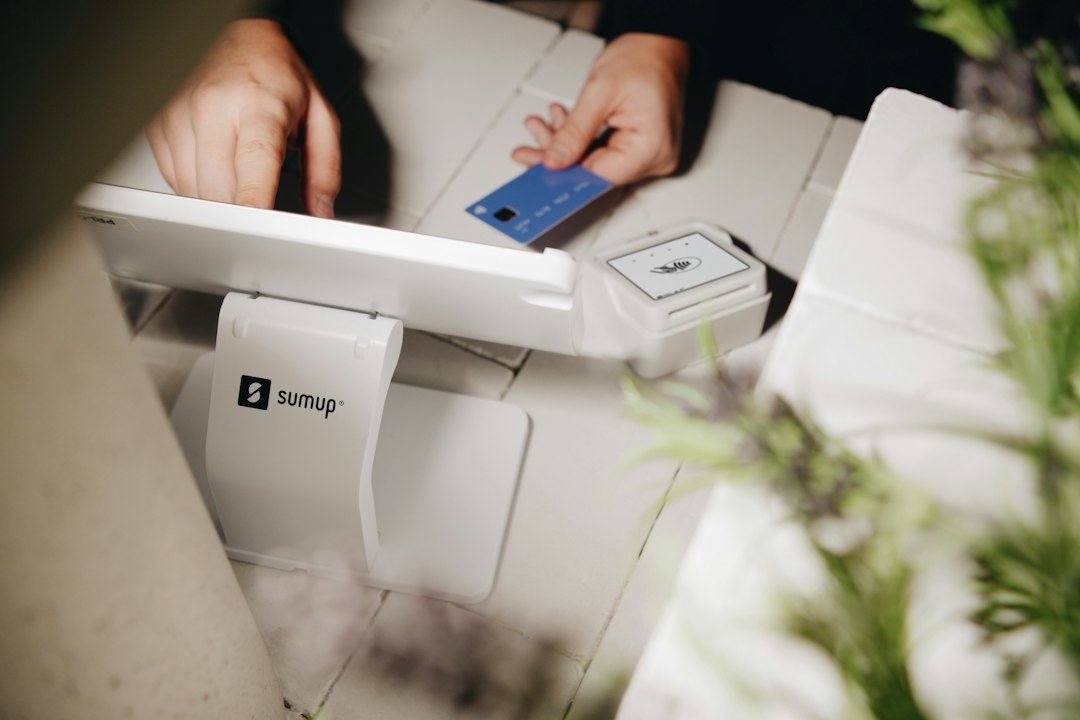
Choose branch-based banks if you handle significant cash deposits regularly; choose online-first banks if your business operates primarily digitally and values fee-free accounts over physical branch access.
A Regional Difference
Businesses in dense Northeast and West Coast metro areas benefit more from branch-heavy banks’ physical proximity, while rural and Southern businesses spread across wider areas often prefer online-first banks with strong remote deposit and digital support.
A Sustainability Angle
Several online-first banks highlight paperless statements and carbon-offset programs as part of their business account offerings, appealing to environmentally conscious founders comparing otherwise similar account features.
What the Pros Know
“Don’t just compare monthly fees; compare wire transfer costs and cash deposit limits closely,” notes small business banking consultant Idris Faulkner. “Those hidden fees often cost more over a year than the advertised monthly maintenance fee.”
FAQ
Do online-only banks offer the same protections as traditional banks?
Yes, as long as they’re FDIC-insured, which most reputable online business banks are, deposits receive the same federal protection as traditional bank accounts.
Should a new business prioritize lending relationships when choosing a bank?
If you anticipate needing a loan within the first two years, building a relationship with a bank offering strong small business lending makes future approval easier.
Can I switch business banks easily later if needed?
Yes, though switching involves updating direct deposits, automatic payments, and payment processor connections, so it’s worth choosing carefully upfront rather than treating the decision as easily reversible.